As an Amazon Associate, we earn from qualifying purchases. Some links on this site are affiliate links at no extra cost to you. Our recommendations are based on thorough research and editorial judgment.

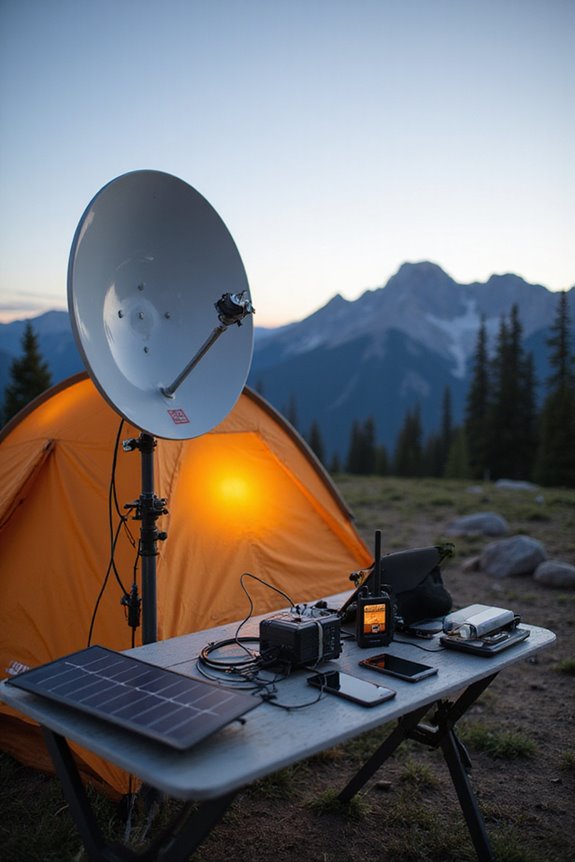
How to Stay Connected Off the Grid

Staying connected off the grid starts with deciding what you need to send, who must receive it, how remote the route is, and what happens if the primary device fails. Cellular, satellite, ham radio, mesh devices, two-way radios, and personal locator beacons solve different problems. Check coverage, terrain, power, licensing, subscriptions, emergency procedures, and local rules before departure.
Key Takeaways
- Choose communication equipment by message type, range, terrain, group size, power, and emergency needs.
- Satellite devices may require an unobstructed view and an active plan; they are not a guarantee of contact or rescue.
- Ham radio requires appropriate licensing and operating knowledge in many jurisdictions.
- Mesh and two-way radio systems depend on compatible devices, node placement, terrain, and battery life.
- Register, test, charge, protect, and carry a backup plan before entering a remote area.
Understanding Your Communication Needs
You may be interested

Separate routine coordination from emergency communication. A group may need short-range voice, text to a contact, weather information, route sharing, or a distress signal. Hills, forests, canyon walls, weather, antenna position, network congestion, and battery temperature can affect performance. Write a communication plan with check-in times, contact details, route information, and a response plan before losing coverage.
Exploring Ham Radios for Reliable Communication
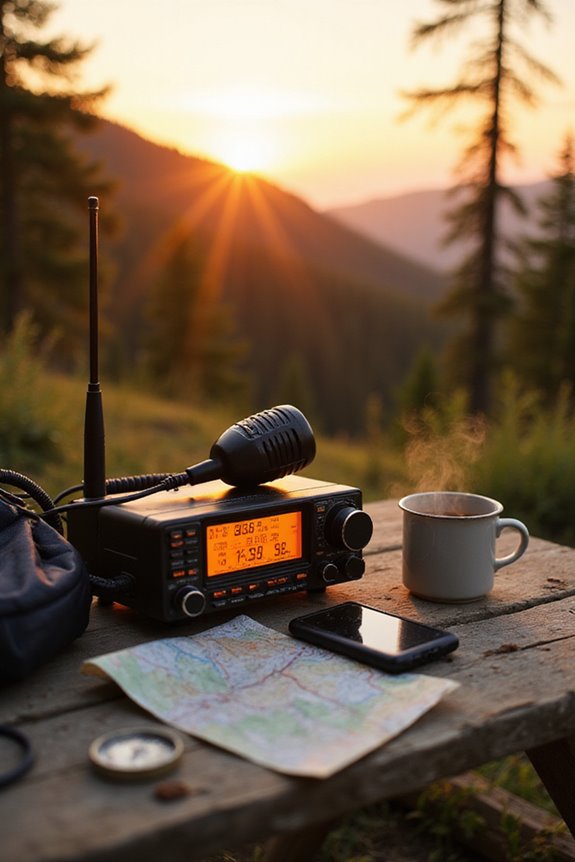
Ham radios can support local and regional communication when operators understand the equipment, frequencies, propagation, and emergency procedures. Licensing and allowed frequencies vary by country, and operating during an emergency does not remove the need to follow applicable rules when licensed help is available. Learn from an authorized local organization, practice before the trip, protect the antenna, and do not assume a handheld radio can reach a distant repeater from every valley.
Leveraging Meshtastic Devices for Off-Grid Connectivity
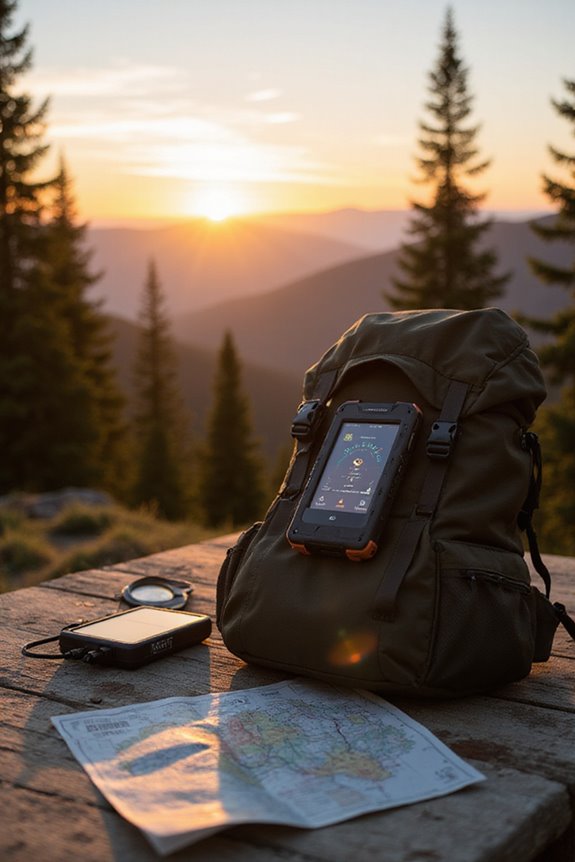
Mesh devices can pass messages between compatible nodes, which may extend communication when members are within useful radio range of one another. Performance depends on hardware, frequency rules, antenna position, terrain, node density, settings, and battery. Confirm what data is actually protected, update and pair devices before leaving, and never treat a mesh network as a guaranteed emergency service.
Recommended Products

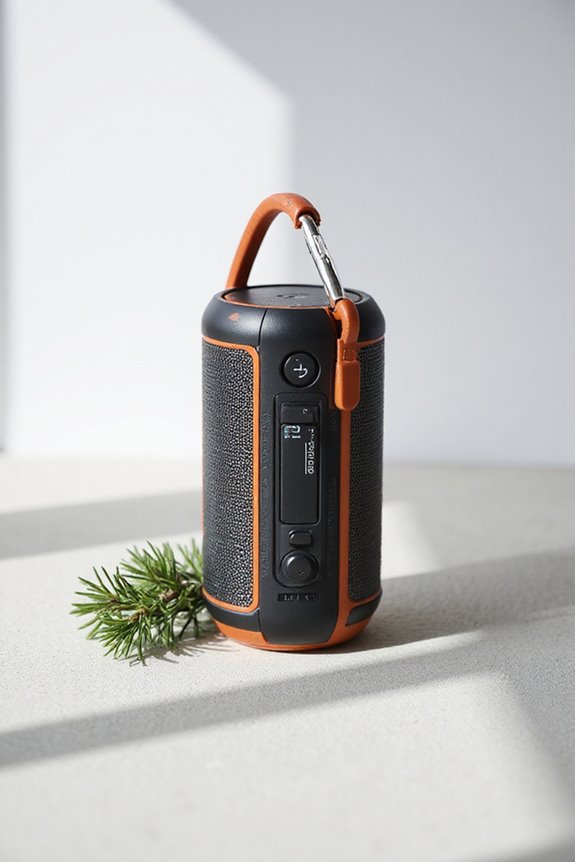
Dual-Core ESP32-S3 & SX1262 LoRa Chip for Reliable Communication: ThinkNode M2 comes pre-installed with Meshtastic firmware and features an SX1262 LoRa module, delivering ultra-reliable LoRa communication at 915MHz. The ESP32-S3 processor ensures fast signal processing, while the external LoRa antenna boosts transmission range. Ideal for remote areas without cellular networks, enabling message sharing, location tracking, and real-time data exchange via the Meshtastic App.


Extreme Ultra-Long Endurance: Power through multi-day adventures with optimized power management. Coupled with nRF52840 ultra-low power design, ensures days of continuous off-grid communication. Your reliable companion for hiking, camping, and emergency preparedness
The Benefits of Satellite Phones in Remote Areas
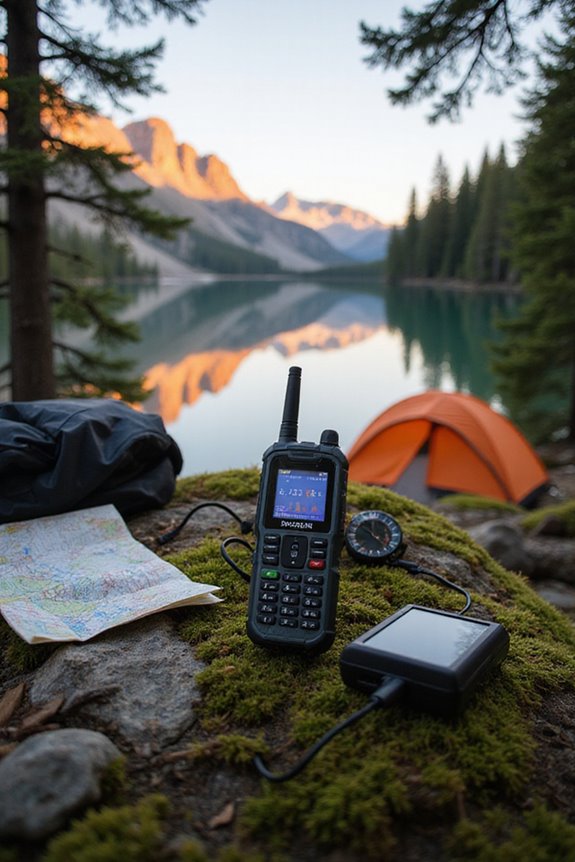
Satellite phones and satellite messengers can provide communication beyond cellular coverage when the device has a suitable view of the sky and the service is active. Mountains, dense forest, buildings, weather, device orientation, plan limits, and network availability can interfere. Check the provider’s coverage map and emergency terms, test the device outdoors, carry charging options, and keep local emergency numbers and a written plan.
Emergency Communication With GPS Messenger Beacons
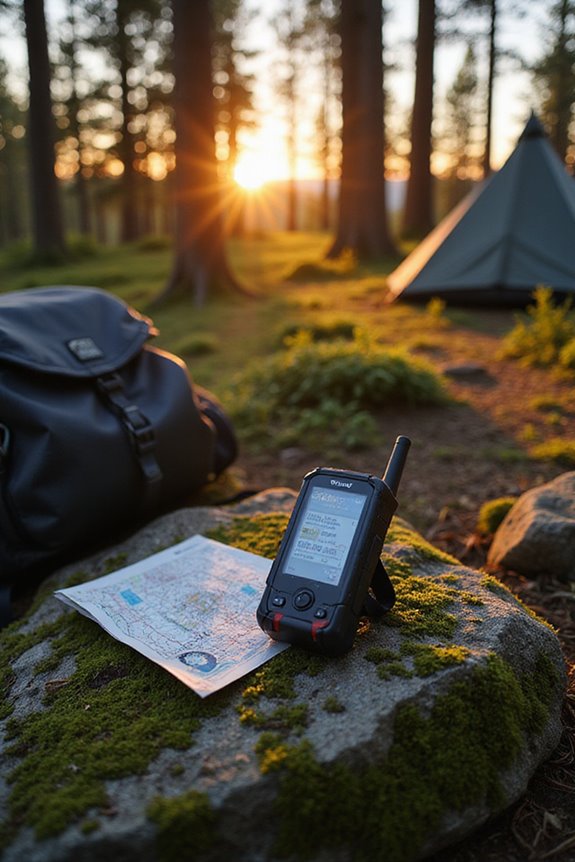
Personal locator beacons, satellite messengers, and other SOS devices differ in message capability, registration, network, subscription, battery, and rescue process. Read the current instructions, register the device where required, share the route with a trusted contact, and test non-emergency functions before departure. An SOS should be used for a genuine emergency, and activation does not remove the need to provide accurate location and follow operator instructions.
Frequently Asked Questions
What Are the Best Communication Methods for Outdoor Adventures?
The best method depends on the route and message: a phone may work near coverage, two-way radios can help a nearby group, ham radio requires licensing and skill, mesh devices need compatible nodes, and satellite equipment needs sky view and an active service. For remote trips, combine a primary device with a written itinerary, check-ins, navigation, and a backup communication option.
How Do I Choose the Right Equipment for My Needs?
List the messages, range, terrain, group size, weather, trip duration, charging access, licensing, subscription cost, and emergency process you need. Test the device with the people who will use it, confirm the exact coverage and limitations, and select controls that can be used in poor weather or with gloves. Bring a backup plan for dead batteries, damaged equipment, and blocked signals.
Can I Use My Smartphone Off-Grid?
A smartphone can still provide offline maps, notes, camera, navigation tools, and some device-to-device functions, but ordinary calls and messages need a network unless you add compatible satellite or radio hardware. Download maps, keep the phone protected and charged, and do not rely on a single handset for an isolated or high-consequence route.
What Are the Legal Requirements for Using Ham Radios?
Requirements vary by country, license class, frequency, power, and equipment. Check the communications regulator or an authorized amateur-radio organization where you will operate. Learn the permitted emergency procedures and do not assume a license from one country automatically applies in another.
How Do I Maintain My Off-Grid Communication Devices?
Charge and test every device before the trip, install required updates while you have reliable internet, inspect ports and seals, protect equipment from moisture and heat, and carry the specified cables or spare batteries. Store batteries safely, confirm the service plan or registration, and practice sending a test message or check-in before entering the backcountry.