As an Amazon Associate, we earn from qualifying purchases. Some links on this site are affiliate links at no extra cost to you. Our recommendations are based on thorough research and editorial judgment.

How to Stay Safe Around Wildlife

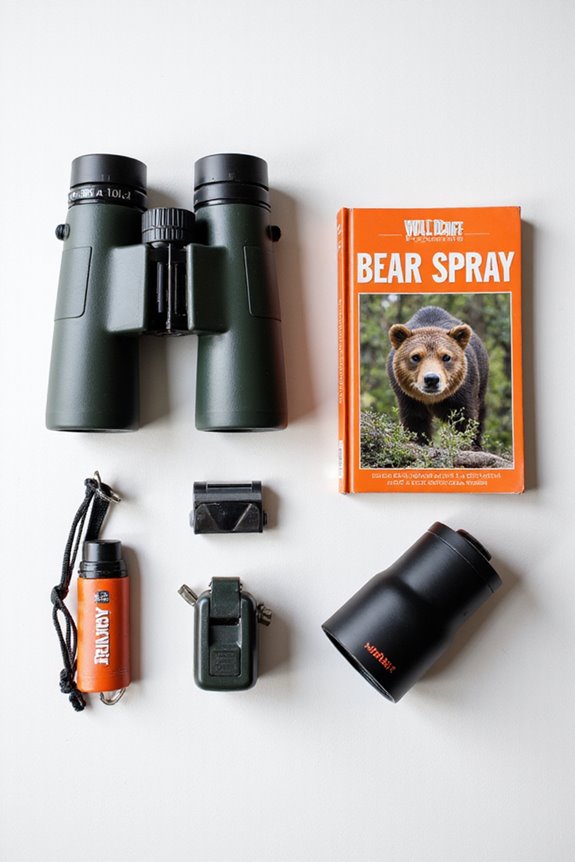
Wildlife safety starts before you enter the area: learn which species live there, check current land guidance, secure food and scented items, and choose a route that matches the conditions. Keep distance, never feed or corner an animal, and give wildlife a clear escape path. If an encounter feels unsafe, prioritize leaving the area and contacting local authorities or park staff.
Key Takeaways
- Learn the local species, seasonal concerns, closures, food-storage rules, and emergency contacts.
- Observe from a distance, stay on permitted routes, and never feed, chase, touch, or block wildlife.
- Keep food, waste, and scented items secured according to the land manager’s guidance.
- Carry communication, navigation, water, and route-specific safety equipment.
- If an animal approaches or behaves unusually, create space and follow current local instructions.
Understanding Wildlife Risks
You may be interested



Risk depends on species, season, habitat, food availability, weather, visibility, group behavior, and how close people get. Read current notices from the park or land manager and learn the response guidance for species in that area. Do not rely on a generic “wildlife rule”: bear, snake, marine-animal, and large-herbivore encounters can require different actions. Treat bites, stings, scratches, and possible venom exposure as medical concerns and seek local help promptly.
Preventing Wildlife-Vehicle Collisions

Slow down in signed wildlife areas, use extra caution at dawn, dusk, night, and during local migration periods, and scan both sides of the road. If an animal appears, avoid swerving into traffic, brake in a controlled way, and follow local reporting guidance after a collision. Do not approach an injured animal; contact the relevant road, wildlife, or emergency authority.
Recommended Products

Durable Reflective Aluminum Construction:Crafted from reliable aluminum, this sign is built to withstand harsh outdoor conditions year-round. The weather-resistant material resists rust, fading, and corrosion, ensuring long-lasting visibility even in rain, snow, or intense sunlight. The bright reflective coating enhances visibility during low-light conditions, making it highly noticeable to drivers

{Reliable Materials} : slow down wildlife crossing " yard sign is made of durable, weather-resistant and reflective aluminum material. It can withstand various outdoor factors such as rain, wind and sunlight, ensuring long-term use in your yard. The wooden stakes included are designed firmly. They can be easily inserted into the ground, providing stable support for the sign

Various Sizes for Your Needs:The deer fencing comes in two practical sizes: 8FT*165FT and 8FT*100FT. Whether you need to protect a small family garden or a large agricultural area, we have the perfect size for you. The large coverage area ensures comprehensive protection for your plants.
Safe Human-Wildlife Interaction Practices

In countless outdoor adventures, the thrill of encountering wildlife can quickly morph into a memorable experience, but knowing how to interact safely is key. Practicing proper wildlife etiquette starts with maintaining a respectful distance; using binoculars allows for great views without disturbing animals. Staying on marked trails not only helps protect habitats but keeps encounters predictable. Remember, feeding wildlife is a no-go—it’s unhealthy and can lead to aggressive behavior. Understanding seasonal changes in animal behavior prepares adventurers for what to expect. Remaining calm during encounters, avoiding sudden movements, and recognizing signs of distress are crucial interaction guidelines. By following these practices, outdoor enthusiasts can enjoy nature while ensuring safety for themselves and the wildlife they admire.
Recommended Products

10x42 FULL SIZE BINOCULARS : Gosky 10x42 binoculars for adults bring distant subjects closer with 10x magnification and a 42mm objective lens, offering clear details, bright images and a comfortable handheld viewing experience. Designed for bird watching, wildlife observation, hiking, camping, boating, sports, concerts and everyday outdoor exploration.

Leading Optics Brand: Bushnell Powerview 2 is a trusted line of binoculars from a USA company that has been serving the outdoor and wildlife enthusiast for more than 70 years.
Wildlife Disease Awareness and Prevention

Countless outdoor enthusiasts often overlook the importance of wildlife disease awareness, but understanding the risks can mean the difference between a fun adventure and a serious health scare. Wildlife can transmit diseases, like rabies, directly to humans, posing significant zoonotic risks. When exploring nature, it’s essential to remember that shared water sources may harbor harmful pathogens. Keeping a safe distance and avoiding contact with sick animals can make a big difference. Implementing biosecurity measures, such as proper hygiene and isolation protocols, helps mitigate disease transmission. Simple actions, like regularly cleaning pastures and segregating feed, can protect both livestock and wildlife. Staying informed and vigilant about these risks guarantees everyone enjoys the great outdoors safely and healthily.
Emergency Response and Reporting

When a wildlife emergency strikes, being prepared can make all the difference between chaos and calm. Proper incident reporting is essential; it helps identify the situation’s response tier and notifies key team members and authorities. First, gather information on the incident’s location, weather, and affected species to plan effective emergency procedures. Mobilizing resources quickly, while assembling a skilled response team, guarantees priorities are addressed. Communication is key; clear channels among stakeholders allow for coordinated efforts. Don’t forget to assess risks based on location and season—this knowledge aids in resource allocation. By understanding roles and responsibilities, everyone can contribute to a smooth response, transforming panic into an organized effort for wildlife safety.
Recognizing Signs of Distressed Wildlife
Recognizing distressed wildlife can feel like walking a tightrope between curiosity and concern. Signs of injury are often striking; bleeding, open wounds, or a leg dragging oddly can pull at anyone’s heartstrings. Then there’s the animal behavior—when creatures don’t scurry away from humans, something’s definitely off. Lethargy, unusual docility, or even labored breathing can indicate they need help. Picture a bird on the ground, staring blankly instead of soaring above; that’s not normal! If you see animals in odd places, or looking disheveled and thin, they might be in trouble. Whether it’s a squirrel with a limp or a raccoon acting strangely, being observant helps guarantee that these innocent beings get the care they need.
Promoting Coexistence With Wildlife
Promoting coexistence with wildlife isn’t just about sharing space; it’s about fostering a mutual respect that benefits both humans and animals. This journey often begins with community engagement, where locals come together to learn about their wild neighbors. Through educational outreach, people gain insights into the behaviors of wildlife, helping them understand that a raccoon rummaging through trash isn’t a villain but a creature trying to survive. Imagine a neighborhood where kids know not to feed ducks, reducing conflicts and keeping wildlife wild! By highlighting the shared benefits of ecosystems, like clean air and pollination, communities can cultivate a spirit of tolerance. With effective policies and active participation, everyone can thrive in harmony, ensuring that both humans and wildlife can coexist peacefully.
Ethical Considerations in Wildlife Encounters
In the rich tapestry of wildlife encounters, ethical considerations play a significant role in shaping how humans interact with their animal neighbors. Engaging in ethical wildlife tourism means ensuring that animals are treated with respect, avoiding exploitative attractions that force interactions or display animals in unnatural settings. Responsible wildlife photography emphasizes observing from a distance, capturing moments without disturbing or stressing the creatures. Imagine watching a majestic eagle soar, untouched by human interference—that’s the real thrill! It’s vital to research venues, prioritizing those committed to animal welfare over profit. Supporting ethical practices not only protects wildlife but also enriches our experiences, creating a harmonious bond between humans and nature, where both can thrive without fear or distress.
Utilizing Technology for Wildlife Safety
How can technology transform the way we protect wildlife? Well, think about GPS tracking; it’s like having a real-time map of animal movements right in your pocket! Anti-poaching technology, such as transmitters fitted into rhino horns, sends alerts when trouble brews, keeping both humans and animals safer. Remote monitoring with camera traps captures wildlife antics while keeping human presence minimal—who wouldn’t want to witness a lion’s midnight stroll without being there? Plus, data analysis from tools like SMART aids in quick decision-making, ensuring timely responses to threats. This tech-savvy approach not only enhances safety but also fosters a deeper connection to the wild, reminding us that technology, when used wisely, can be a powerful ally in wildlife conservation.
Recommended Products

Accurate, Discreet, Real-Time GPS Tracker with POWERFUL Twin Magnet Case.

✅✅【No Subscription GPS Tracker Device for Vehicles】There is no monthly fee for this Car Tracker, download the Find My app and use it directly. Track your cars, trucks and motorcycles, keys, wallets, luggage, bikes, etc. without paying any extra fees.

2026 NEW MODEL GPS TRACKER FOR VEHICLES:The smooth and clean black design really makes mini GPS tracker for vehicles look classy, and at the same time, it can be hidden just about anywhere without getting spotted. Track your valuables anywhere on earth by leveraging the power of over 100 million Apple devices worldwide. New Model GPS Tracker for Vehicles for Apple families alike — no special setup required supports mobile phone remote operation, so that peace of mind is at your fingertips.
Supporting Wildlife Conservation Efforts
While the beauty of wildlife often captivates the heart, supporting conservation efforts requires a steadfast commitment to protecting these majestic creatures. Conservation funding is essential; without it, many species face extinction. Imagine a world where vibrant birds and majestic mammals vanish! Community engagement plays an important role too. Local people, working hand-in-hand with organizations, can create sustainable practices that benefit both wildlife and their livelihoods. Initiatives like World Wildlife Day 2026 emphasize the importance of investing in our planet. It’s not just about saving animals; it’s about securing a healthier future for everyone. By fostering awareness and inspiring action, individuals can contribute to a collective effort that guarantees wildlife thrives, creating a legacy of harmony between humans and nature.
Frequently Asked Questions
What Should I Do if I Encounter a Bear While Hiking?
Stop, stay calm, give the bear space, and do not approach, feed, or block its route. Follow the current instructions for the park or region because responses can differ by species and situation. Keep children and pets close, avoid running, and seek ranger or emergency guidance if the bear follows, charges, enters camp, or behaves unusually.
How Can I Safely Photograph Wildlife Without Disturbing Them?
Use a long lens or binoculars, remain on permitted routes, and stop if the animal changes behavior, watches you closely, retreats, vocalizes, or abandons food or young. Never bait, call, corner, block, or approach wildlife for a photograph. Follow local distance, drone, nesting, and seasonal-closure rules.
Are There Specific Times When Wildlife Is More Active?
Activity varies by species, habitat, season, weather, and human pressure. Dawn, dusk, breeding, nesting, migration, and feeding periods may change encounter risk, but do not assume an animal is predictable. Check current local guidance and stay alert rather than planning an approach around a time of day.
What Should I Carry for Personal Safety in Wildlife Areas?
Carry items suited to the route: navigation, communication, water, first-aid supplies, weather layers, and food-storage equipment required by the land manager. Bear spray or another wildlife-specific tool is not appropriate everywhere; learn how to use any device legally and safely before relying on it.
How Can I Identify Signs of Wildlife Nesting or Breeding in My Area?
Look for current signs, closures, posted notices, tracks, calls, nests, dens, young animals, or repeated wildlife activity, but do not approach or investigate closely. Give nesting and breeding areas extra space, keep pets controlled where required, and ask local land managers how to report or avoid sensitive habitat.