As an Amazon Associate, we earn from qualifying purchases. Some links on this site are affiliate links at no extra cost to you. Our recommendations are based on thorough research and editorial judgment.

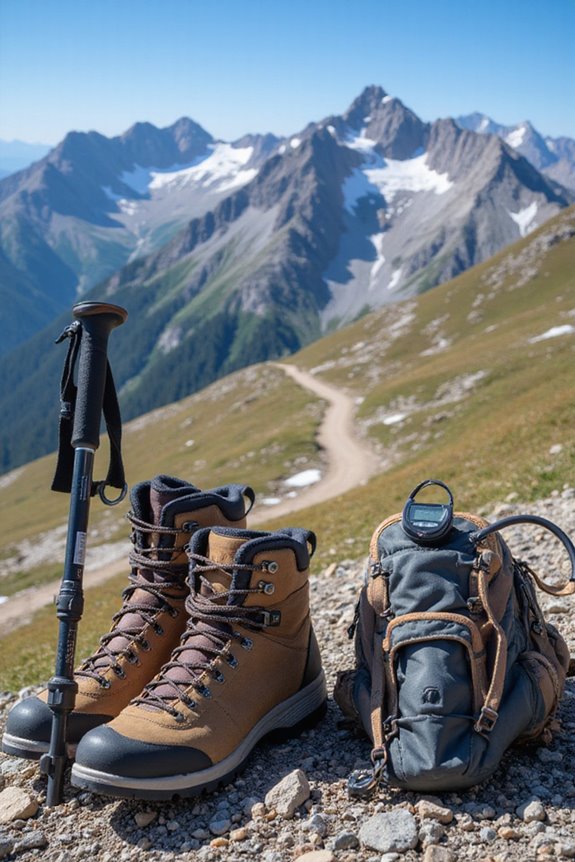
How to Train for Altitude Hiking Safely

Training can prepare your legs, lungs, balance, and decision-making for an altitude hike, but fitness does not guarantee protection from altitude illness. Build route-specific capacity gradually, practice with the equipment you will carry, schedule recovery, and keep acclimatization separate from conditioning. Before a high-altitude trip, review the CDC altitude-illness guidance and seek medical advice when your health or itinerary raises questions.
Key Takeaways
- Progress uphill walking, stairs, strength, balance, and pack practice without sacrificing recovery.
- Train on surfaces and grades that resemble the route while avoiding unnecessary risk near home.
- Use a gradual progression and adjust for soreness, illness, heat, sleep, and existing conditions.
- Treat acclimatization as a trip-planning process; a fit hiker can still develop altitude illness.
- Practice pacing, fueling, navigation, turnaround decisions, and emergency communication.
Establishing a Training Schedule
You may be interested


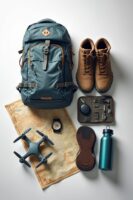
Build a repeatable week around the demands of the route: uphill aerobic work, strength, balance, mobility, an easier day, and rest. Increase one variable at a time—duration, gradient, pack load, or technical terrain—and keep the change small enough to recover. Use conversational effort or another familiar intensity guide, and reduce training when pain, unusual fatigue, illness, or poor sleep appears.
Recommended Products

Smart Dual-Layer Cushioning – These treadmill incline riser blocks feature a high-density rubber top and foam base to provide stable support, minimize vibration, and enhance incline walking workouts on treadmills and walking pads
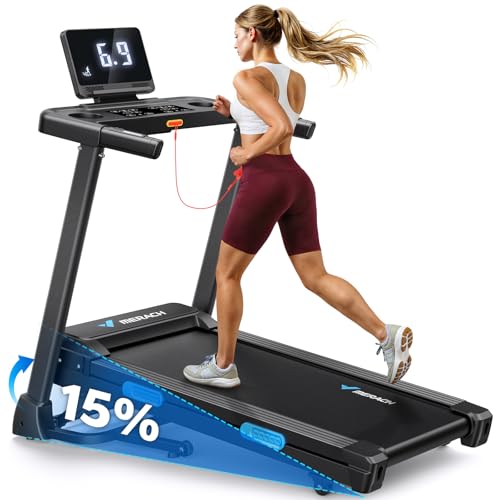
【Engineered for Quiet & Durable Performance】 Powered by a 2.5 HP powerful and quiet motor, the MERACH compact treadmill delivers stronger, smoother, and quieter performance (<40 dB) compared to ordinary treadmills. The advanced motor design reduces heat, prevents belt slippage, and extends lifespan—built for years of reliable workouts at home.

【Treaflow Walking Pad】: Enhance your workout with the incline adjustment feature, which optimizes calorie burning and maximizes exercise efficiency. The 0-8% incline design facilitates increased fat burning and calorie consumption, allowing you to experience the benefits of climbing from the comfort of your home.
Terrain Adaptation Techniques

Practice on surfaces and slopes that resemble the route: uneven ground, sustained climbs, descents, loose terrain, steps, or scrambling where appropriate. Build skill and confidence without copying a dangerous exposure near home. Use shoes, poles, clothing, navigation, and pack setup you expect to take, and remember that local terrain practice does not create acclimatization to high altitude.
Recommended Products

[BOOST YOUR WORKOUT] APEXUP weighted vest is perfect for adding an extra challenge to your workout routine. The added resistance will help build strength, endurance, and improve overall fitness

FRESH FOAM CUSHIONING - Upgraded midsole engineering delivers best-in-class underfoot comfort and lightweight shock absorption on rugged trails and uneven terrain

Strength and Conditioning Exercises

Train the movement patterns the route demands: step-ups, controlled squats, split-stance work, hip and calf strength, trunk stability, and single-leg balance. Start with an appropriate load and prioritize controlled form over fatigue. Add pack practice only after your body tolerates the movement, and seek coaching or medical advice if an injury or condition changes how you exercise.
Recommended Products

Faster Fitness Gains: Zelus weighted vests (6/8/12/16/20/25/30 lb) feature evenly distributed iron sand to add extra resistance to your daily workout. They provide a simple way to push yourself harder without the need for bulky gear in your routine

ATTENTION - The elastic of this vest should be at the waist. Please look carefully at the direction of wear on the pictures

IMPROVED ENDURANCE - Experience enhanced strength training as the boost your workout weighted vest adds valuable resistance to any workout, pushing your limits and helping you achieve your fitness goals faster. Incorporating this weighted vest into your routine challenges your body, promoting better cardiovascular health and increased stamina for longer, more effective workouts.
Elevation Simulation Strategies

Altitude tents, hypoxic devices, training masks, and low-oxygen workouts do not replace a safe ascent plan and may not reproduce the demands of your trip. Some methods also require medical oversight. Focus first on route-specific conditioning, then discuss any simulated-altitude approach with a qualified clinician. Fitness training improves effort tolerance; it does not make a person immune to altitude illness.
Recommended Products

✅ CUT YOUR WORKOUT TIME IN HALF! - Training Mask by SPARTHOS makes workouts more effective by simulating high altitude. It will force you to take full and deeper breaths, toughening your diaphragm and respiratory system.
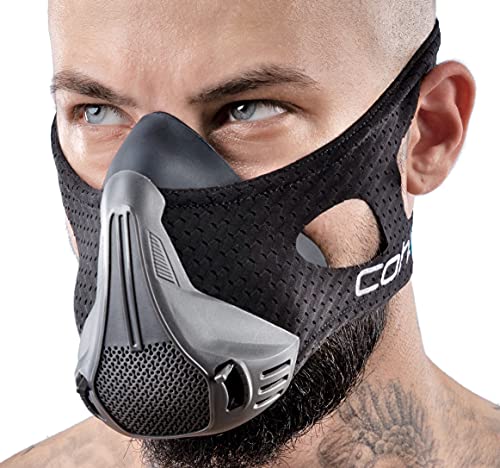

TAKE YOUR TRAINING TO NEW HEIGHTS - Elevate your fitness game with simulated HIGH ELEVATION TRAINING, proven to boost oxygen uptake, lung capacity, and cardiovascular fitness, all backed by clinical studies
Mental and Psychological Preparation

Practice the decisions that keep a hike safe: pacing, short breaks, navigation checks, weather changes, turnaround points, and honest symptom reporting. Visualization or breathing can help with focus, but do not use mindset techniques to dismiss confusion, severe fatigue, breathing problems, or other warning signs. Tell your group what would make you stop or descend before the hike begins.
Frequently Asked Questions
What Should I Wear During Altitude Hiking Training?
Wear layers that match the weather and activity, with footwear that suits the surface and supports a comfortable fit. Practice with the socks, pack, rain or wind layer, sun protection, and other equipment you will use on the route. Adjust for heat and sweat rather than assuming one fabric system works in every condition.
How Can I Prevent Dehydration While Training?
Drink according to thirst and your usual needs, adjust for heat and exertion, and carry enough for the route. Eat normally and do not force excessive water or supplements. If a medical condition or medication affects fluid or electrolyte balance, ask a clinician for individualized advice.
Are There Specific Nutrition Tips for Altitude Training?
Eat enough to support training and recovery, using familiar carbohydrates, protein, and fluids that you tolerate well. There is no universal altitude diet or need to carbohydrate-load. Test food and fueling during training, and ask a sports dietitian or clinician if health needs complicate nutrition.
How Do I Recover After Intense Training Sessions?
Use easy movement, sleep, food, fluids, and rest days that match your training load. Light stretching or mobility may feel useful, but it does not repair an injury by itself. Persistent pain, unusual fatigue, dizziness, chest symptoms, or worsening performance deserves medical assessment.
What Gear Is Essential for Altitude Hiking Practice?
Practice with route-appropriate footwear, layers, pack, navigation, water system, communication, first-aid supplies, and any poles or traction equipment you plan to use. Check fit and function before the trip, and avoid adding unfamiliar gear on the hardest day.