As an Amazon Associate, we earn from qualifying purchases. Some links on this site are affiliate links at no extra cost to you. Our recommendations are based on thorough research and editorial judgment.

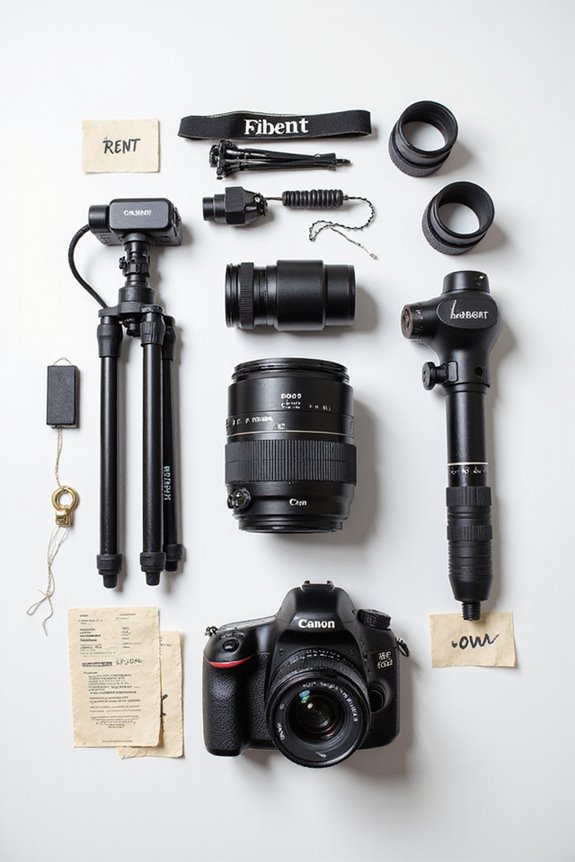
Renting vs Buying Gear: Costs, Flexibility, and Risk

Renting or buying gear depends on how often you will use it, how much capital you can commit, how quickly needs may change, and who will handle maintenance, storage, damage, and resale. Compare the full cost and risk over the period you expect to use the equipment rather than focusing only on the purchase price or one rental quote.
Key Takeaways
- Renting can reduce upfront spending and storage, while buying can suit frequent, long-term use.
- Compare total cost: payments, delivery, insurance, maintenance, repairs, storage, downtime, and resale.
- Read rental terms for damage, late returns, cleaning, deposits, and replacement charges.
- Use expected utilization and project certainty to guide the decision.
- A mixed strategy can make sense when some gear is core and other equipment is occasional or specialized.
Cost Flexibility of Renting Vs Buying
You may be interested



Renting usually spreads cost across the period of use and may include services, but repeated rentals can exceed the cost of ownership. Buying requires more capital at the start and can add financing, maintenance, storage, and depreciation. Request an itemized quote and compare the expected total for the same use period.
Recommended Products
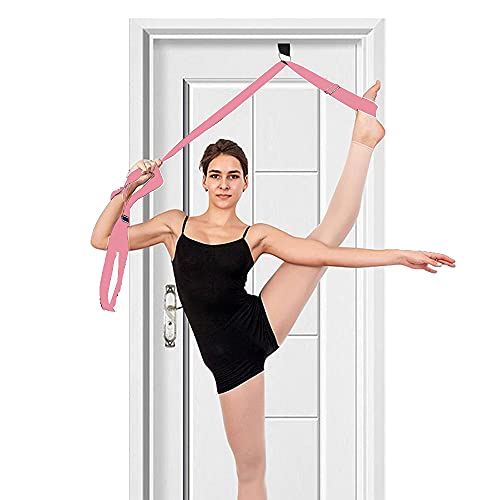
❣ ACHIEVE FULL SPLITS FAST ❣- The flexibility equipment stretching is an easy-to-use door leg stretcher to improve your leg flexibility, balance and range of motion in a natural body position. Just a few weeks of consistent use and your friends will notice considerable improvements to your movements

【MAKES STRETCHING MORE COMFORTABLE】Train with confidence. Nothing will break due to use of high quality materials: 150gr strap that smoothly slides through 6mm solid metal welded D-ring. Door anchor secures the strap with a metal bolt through a metal plate.
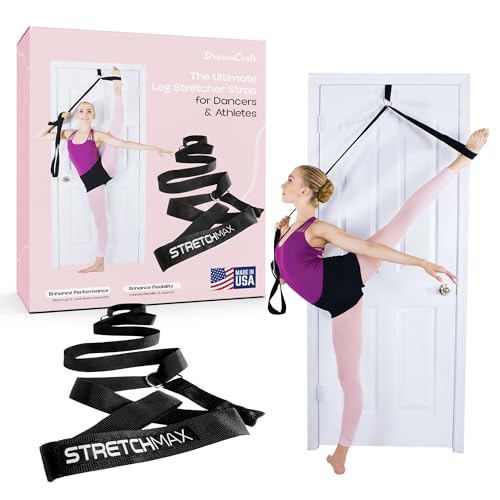
ENHANCE FLEXIBILITY FOR DANCERS & GYMNASTS: Our leg stretcher strap, including stretching bands and yoga straps for stretching, is meticulously designed to improve your flexibility and range of motion safely. Ideal for both beginners and advanced users, this tool addresses common issues faced by dancers and gymnasts. By incorporating this stretch strap, yoga band, and exercise straps into your routine, you'll experience easier and safer workouts.
Access to New Technology
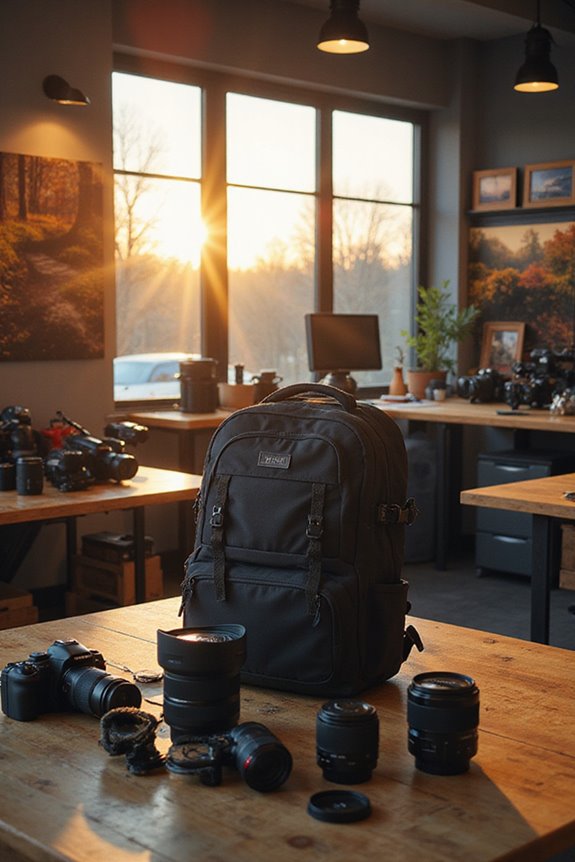
Renting can provide access to specialized or newer equipment without committing to ownership, which is useful when technology changes quickly or the need is temporary. Check availability, compatibility, training, accessories, and the rental company’s support. Buying may be simpler when users need the same setup regularly.
Recommended Products

【Exclusive Advantage Software Chacktok】photo booth At present, the number of users using Chacktok software ipad photo booth has reached millions,chacktok software not only control the brightness, saturation, and color temperature of RGB Light Ring,but also Create activities, standardize shooting processes and preset effects, and greatly improve shooting efficiency.We have the most professional manufacturer: Marvel Technology CO., LTD. Product Model:MWE-LB-B

【Multi-Function iPad Photo Booth】: ipad photo booth used for photo and video shooting, it can help You-tubers/Selfie Lovers/artists/Social Platforms/Tik-Tok Streamers create incredible images, videos,which is suitable for parties, large events, weddings, Christmas shows, exhibitions, professional photography, streaming media, video blogs.Manufacturer:Marvel Technology CO.,LTD
Liability and Maintenance Responsibilities

Responsibility depends on the contract. Owners normally arrange maintenance, repairs, insurance, and safe storage, while renters may still be responsible for loss, misuse, late return, or damage beyond normal wear. Read the condition report, protection plan, exclusions, and reporting process before collecting the gear.
Storage Considerations
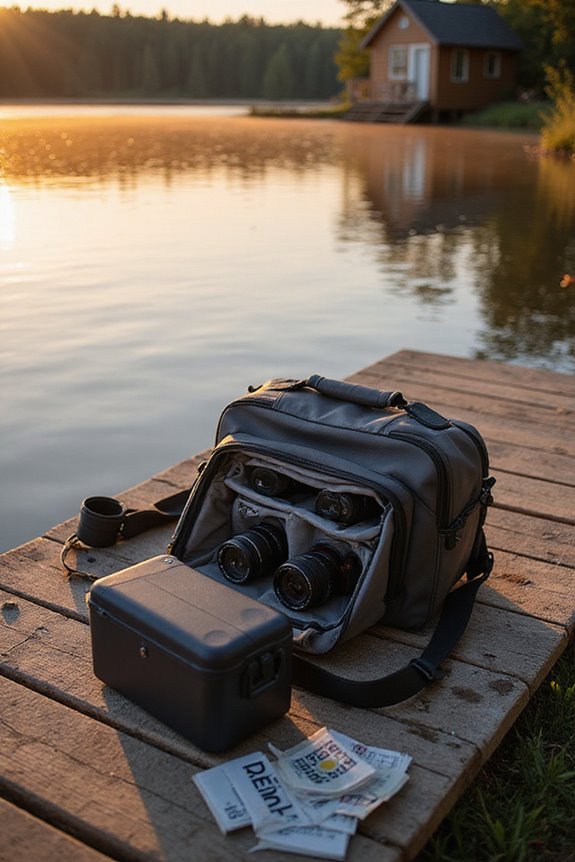
Renting can reduce the need for long-term storage, especially for bulky or seasonal equipment. Ownership requires a suitable space that protects the gear from moisture, heat, theft, and unauthorized use. Include storage equipment, security, transport, and handling time when comparing options.
Financial Implications of Ownership
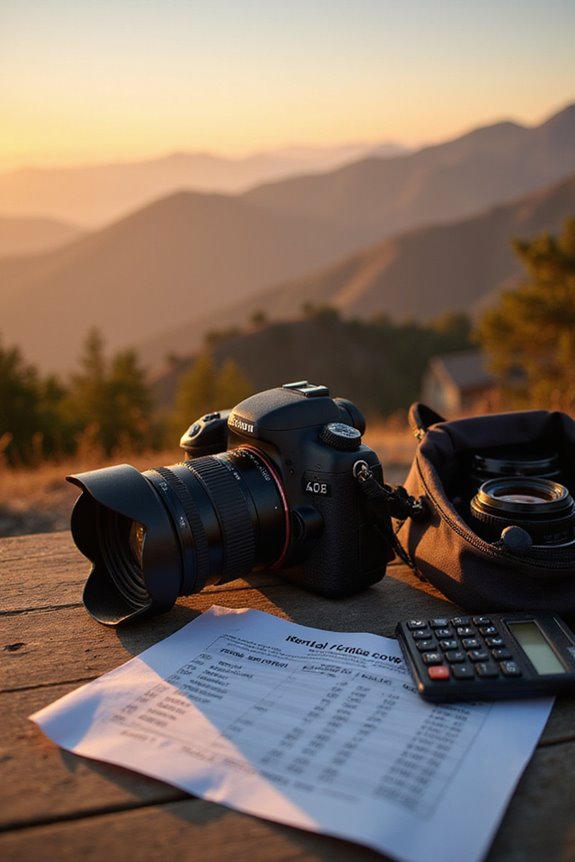
Ownership can create value through repeated use, control, and eventual resale, but the economics depend on purchase price, financing, maintenance, depreciation, downtime, and utilization. Tax treatment varies by location and business structure, so use qualified advice rather than assuming a deduction applies. Compare a realistic ownership total with rental quotes for the same period.
Recommended Products

Scores percentages on homework, tests and quizzes

Computes percentage scores on all tests, quizzes and homework

Long Ranger E-Z Grader calculates grades up to 200 problems... more than twice the number of problems the Original edition
Utilization Rates and Project Needs
Estimate how often the gear will be used, for how long, and whether demand is predictable. Occasional, specialized, or uncertain needs often favor renting; regular use with stable demand may support ownership. Include setup, transport, training, accessories, and the cost of idle equipment in the estimate.
Recommended Products

🔋 5-YEAR BATTERY LIFE – BUILT FOR UNPOWERED ASSETS This GPS tracker for trailers and equipment runs up to 5 years on a single battery, making it ideal for unpowered assets stored in yards, job sites, or customer locations.


Comprehensive Emergency Tool: The 4 in 1 Emergency Tool is paramount among survival tools, offering capabilities such as shutting off gas and water, prying doors, and digging through debris.
Impact of Project Downtime
Downtime can cost more than the equipment itself when a project has strict deadlines. Rental support or replacement clauses may reduce disruption, but they are not automatic. Owners should plan preventive maintenance, spare parts, and backup options; renters should verify response times and replacement terms.
Recommended Products

Premium quality plastic empty medical supply container for travel first aid and emergency kits **First aid supplies NOT included**

👍【Versatile Massage Chair】- Designed with busy professionals in mind, this portable massage chair is the perfect solution for those who need to be on-the-go. At 15.2 lbs., our lightweight Professional massage chair is easily transportable, perfect for use as a massage chair or tattoo chair.

HEAVY EQUIPMENT KEYS SET: 50 pcs keys fits for heavy equipment such as forklift, excavator, backhoe, tractor, skid steer and more by for Cat Caterpillar, Bobcat, Kubota, JCB, Komatsu, Daewoo, Volvo, Kobeico, Jlg, Hyster, Yanmar, Terex and more
Business Operations and Scalability
Renting can help a business respond to seasonal demand or test a new service without purchasing a large inventory. Ownership can provide consistent access to core equipment and more control over setup. A blended approach often works when high-use essentials are owned and occasional or specialized items are rented.
Frequently Asked Questions
How Do Rental Agreements Typically Work for Equipment?
A rental agreement normally states the item, rental period, price, deposit, collection or delivery, permitted use, maintenance, damage responsibility, insurance, late-return charges, and return condition. Read every term before signing and document the equipment’s condition at handover.
What Types of Equipment Are Most Commonly Rented?
People commonly rent items that are expensive, specialized, seasonal, or needed for a short project, including tools, cameras, outdoor equipment, vehicles, and event gear. Availability and terms vary by location and provider.
Can Renting Affect My Insurance Premiums?
It can. Your existing policy may exclude rented equipment or require an endorsement, while the provider may offer separate protection. Ask what is covered, who pays the deductible, and how theft, damage, transport, and liability are handled.
Are There Hidden Fees Associated With Renting Equipment?
Possible extra charges include delivery, setup, cleaning, deposits, damage protection, late return, fuel, consumables, cancellation, and replacement. Ask for a written all-in quote and confirm what happens if the equipment is returned late or damaged.
How Can I Determine the Best Rental Company?
Compare item condition, availability, transparent pricing, contract terms, insurance options, support, replacement policy, and recent independent reviews. Choose a provider that explains responsibilities clearly and can supply the equipment when you need it.