As an Amazon Associate, we earn from qualifying purchases. Some links on this site are affiliate links at no extra cost to you. Our recommendations are based on thorough research and editorial judgment.

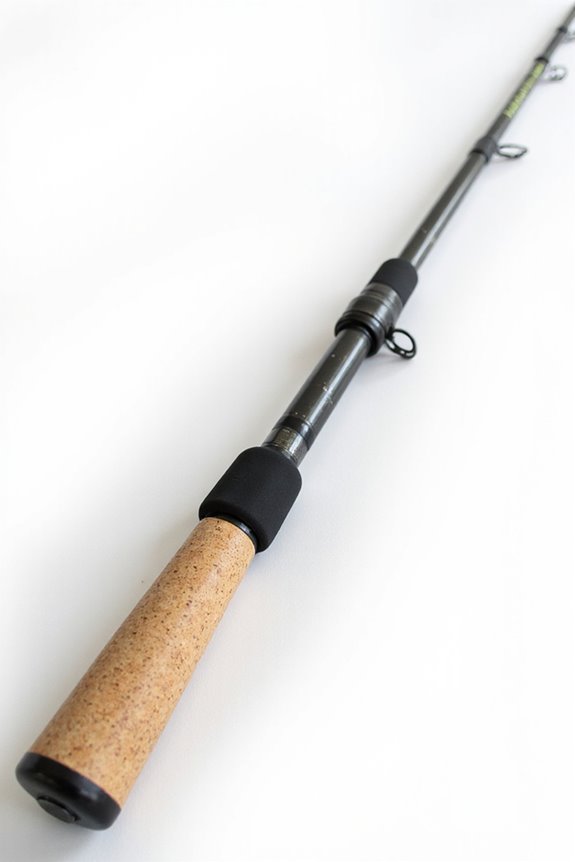
Best Fishing Rod for Beginners: How to Choose

For many new anglers, a spinning rod is an approachable starting point because the reel and casting motion are relatively simple to learn. The right choice still depends on the species, water, lure or bait, line, transport, and local fishing rules. Match the rod to the setup rather than choosing by brand name alone.
Key Takeaways
- Choose spinning or casting gear based on your experience, technique, and target species.
- Match length, power, and action to the water, lure weight, line, and fish you expect.
- An all-purpose rod can help beginners learn before committing to specialized equipment.
- Balance the rod with the reel and line; check the manufacturer’s rating instead of guessing.
- Inspect guides, grips, reel seats, warranty, transport, and local fishing regulations before buying.
Understanding Different Rod Types
You may be interested

Spinning rods are often forgiving for beginners and work with many light-to-medium lure or bait setups. Casting rods can offer control for specific techniques but usually require more practice. Fly, surf, ice, trolling, and other specialist rods are designed around different lines, lures, distances, and conditions.
Recommended Beginner Rod Brands and Models
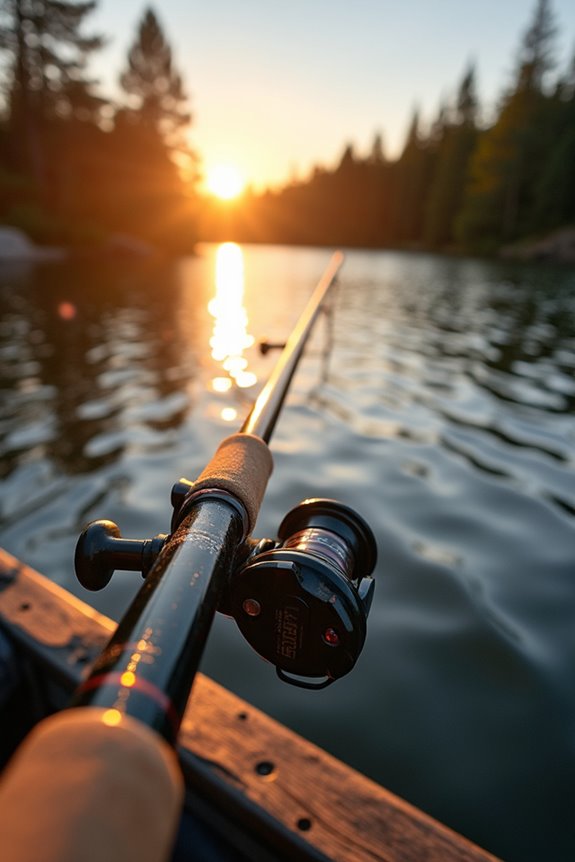
Instead of treating one brand or model as universally best, compare the exact rod’s length, power, action, lure and line ratings, materials, grip, guides, warranty, and return policy. A local tackle shop can help match a rod to nearby species and techniques, while current owner reviews may reveal durability or balance issues.
Key Features to Consider When Choosing a Rod
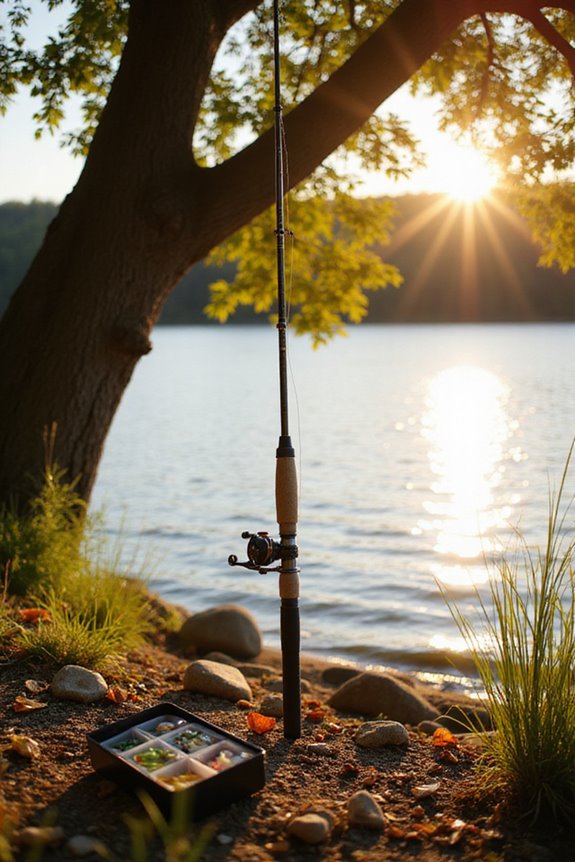
Rod length affects casting distance, leverage, transport, and control. Power describes how much load a rod is designed to handle, while action describes where it bends. Compare these ratings with lure weight, line strength, target species, and fishing space; longer or faster is not automatically better.
Budget vs. Quality: Finding the Right Balance
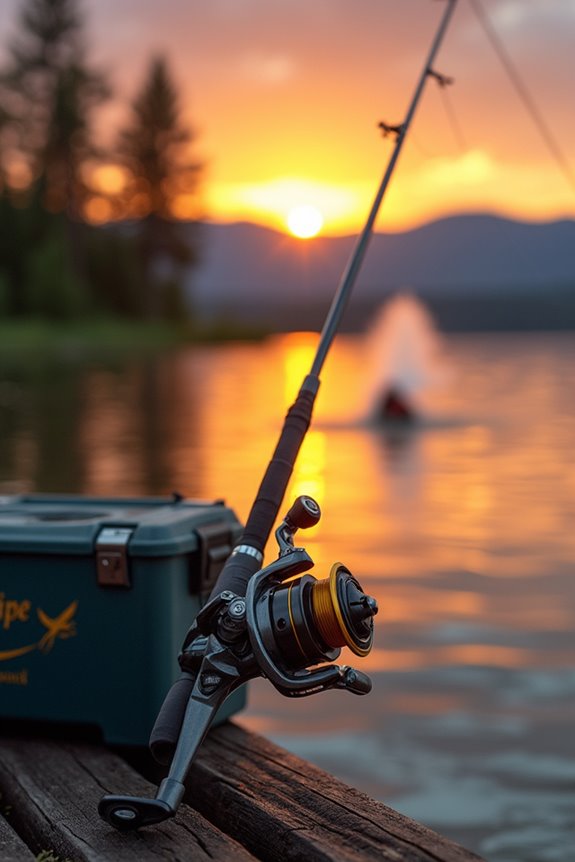
Set a budget for the rod, reel, line, lures, hooks, tackle, and any license or transport costs. A cheaper rod can be a sensible learning choice if its ratings and warranty are clear; a more expensive rod may offer lighter materials or sensitivity, but it is not automatically easier to use.
Specialized Rods vs. All-Purpose Options
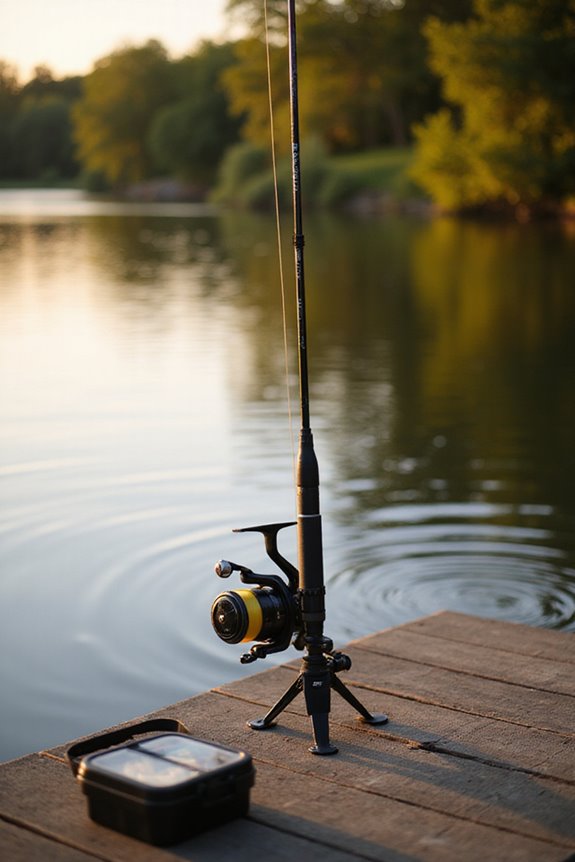
An all-purpose rod offers flexibility while a beginner learns different techniques. A specialized rod can make sense once the angler consistently fishes a particular species, lure, water, or presentation. Compare the cost of specialization with how often the setup will actually be used.
Where to Buy and How to Make the Best Choice
Buy from a retailer or tackle shop that provides clear specifications, warranty information, and a practical return policy. Check the rod in hand if possible: the grip should feel comfortable, the reel seat should fit the reel, and the guides should be aligned and undamaged. Confirm local regulations before fishing.
Recommended Products
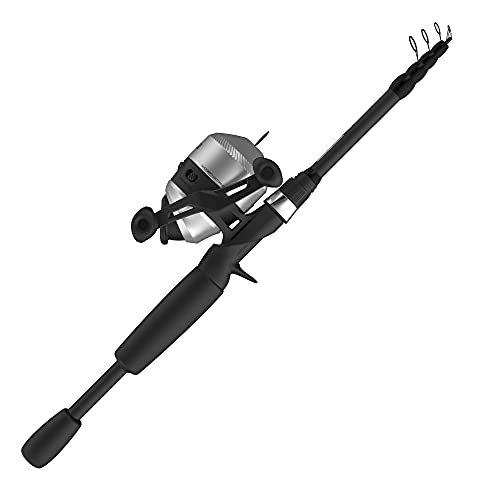
EASY-TO-USE: The Zebco 33 features a dependable reel on a smart, strong and convenient telescoping rod — perfectly mobile for the go-go-go lifestyle. You will be ready to hit the water with the patented no-tangle design reel that comes pre-spooled with 10-pound Zebco Cajun line. Great for both beginners and experienced anglers
Frequently Asked Questions
What Type of Fishing Do You Plan to Do?
Start with the water type, target species, bait or lure, casting distance, and technique. Those details guide the rod’s length, power, action, line rating, and reel choice.
How Do I Maintain My Fishing Rod?
Rinse salt or grit with fresh water when appropriate, dry the rod, inspect guides and joints, loosen the drag for storage, and follow the reel maker’s maintenance guidance. Avoid harsh pressure that could force debris into the components.
Can I Use a Fishing Rod for Different Fish Species?
Often, if the species, technique, line, lure weight, and rod rating are compatible. A general-purpose rod can cover several situations, while very light or heavy targets may need different power and action.
What Accessories Do I Need With My Fishing Rod?
Most setups need a compatible reel, line, terminal tackle, lures or bait, hooks, cutters or pliers, a landing solution, and safe storage. Add a license, flotation or personal safety gear, and species-specific tools where local rules require them.
How Do I Learn to Cast Properly?
Practice with the correct lure weight in an open, safe area, following the reel and rod instructions. Use smooth motions, release at the right point for the reel type, aim at simple targets, and ask an experienced angler or instructor to correct technique.