As an Amazon Associate, we earn from qualifying purchases. Some links on this site are affiliate links at no extra cost to you. Our recommendations are based on thorough research and editorial judgment.

How Weather Affects Outdoor Activities: A Safety Guide

Weather affects outdoor activities through heat, cold, humidity, wind, precipitation, visibility, surface conditions, air quality, and daylight. The best plan matches the activity and the people involved to the forecast, exposure, route, equipment, and exit options. Conditions can change quickly, so check official alerts shortly before departure and be willing to shorten, postpone, or move indoors.
Key Takeaways
- Assess temperature, humidity, wind, rain, snow, visibility, air quality, daylight, and surface conditions together.
- Heat can increase dehydration and heat-illness risk; cold, wind, and wet clothing can increase cold-stress risk.
- Rain and wind can change traction, river levels, shelter stability, visibility, and equipment needs.
- Choose timing, route, clothing, hydration, shelter, and activity intensity for the least safe expected condition.
- Check local forecasts and warnings, tell someone your plan, and turn around when conditions exceed your margin.
Temperature and Outdoor Activity Participation
You may be interested
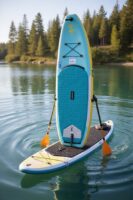


Temperature changes comfort, energy demand, hydration needs, clothing, equipment, and the surface underfoot. The same temperature can feel different with sun, wind, humidity, shade, altitude, wet clothing, or exertion. Choose an activity and pace that match the conditions, carry layers, and use local heat or cold warnings rather than relying on one “ideal” temperature.
Effects of Extreme Heat on Recreation
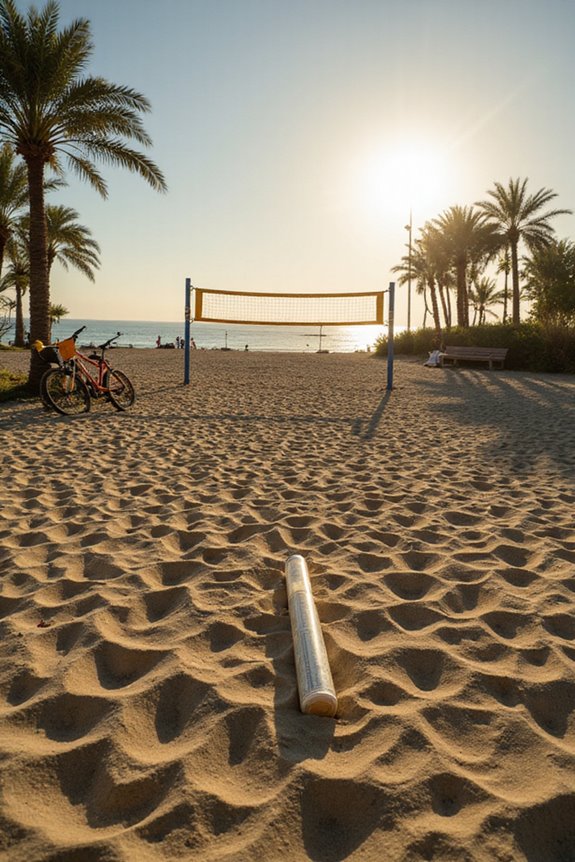
Heat can raise dehydration and heat-illness risk, especially during hard activity, direct sun, high humidity, or limited water access. Prefer cooler times when practical, slow the pace, use shade and rest breaks, drink appropriately, and watch for weakness, faintness, confusion, nausea, or worsening symptoms. Stop and move to a cooler place when symptoms appear, and seek urgent help for suspected heat stroke.
Impact of Cold Weather on Outdoor Activities
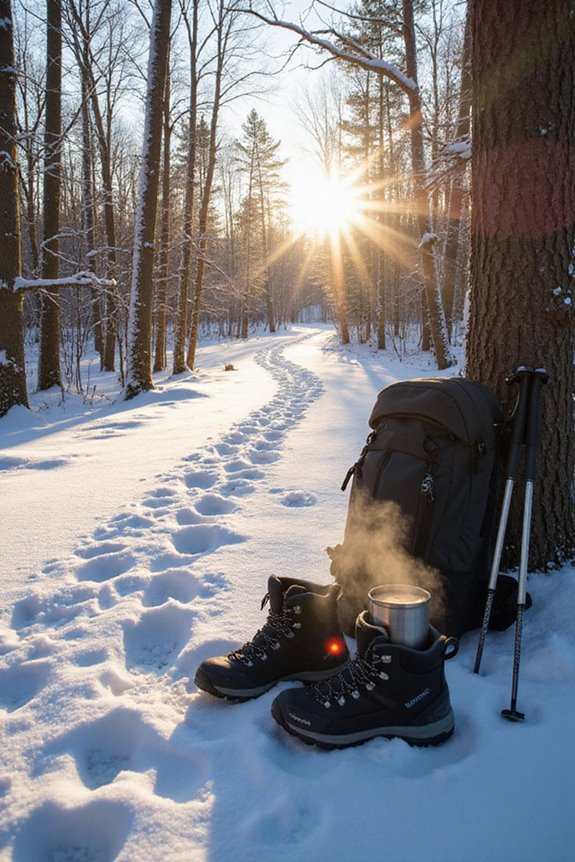
Cold, wind, wet clothing, snow, ice, and short daylight can change both comfort and risk. Wear adjustable layers, protect hands and feet, keep clothing dry, check traction, and plan a safe turnaround before conditions deteriorate. Watch for numbness, confusion, uncontrolled shivering, clumsiness, or unusual fatigue, and leave the exposure to warm up if symptoms develop.
Precipitation and Its Influence on Exercise
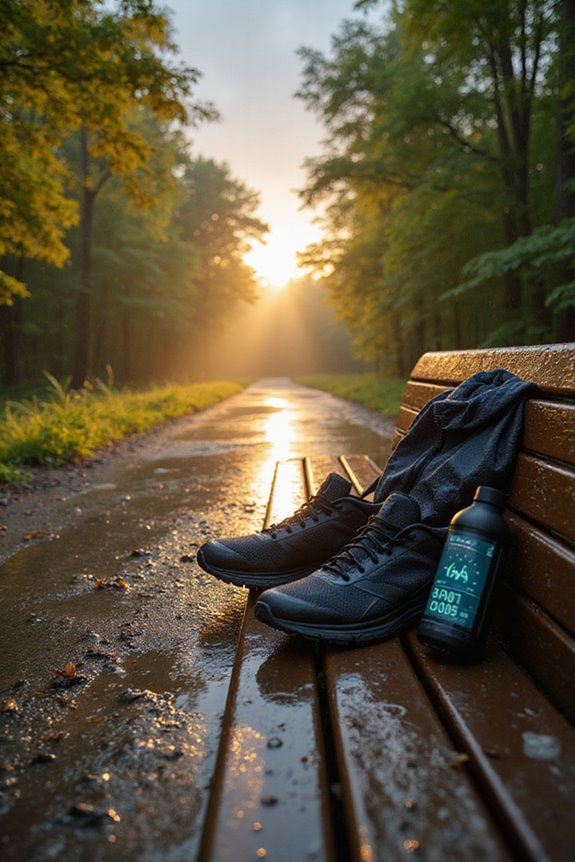
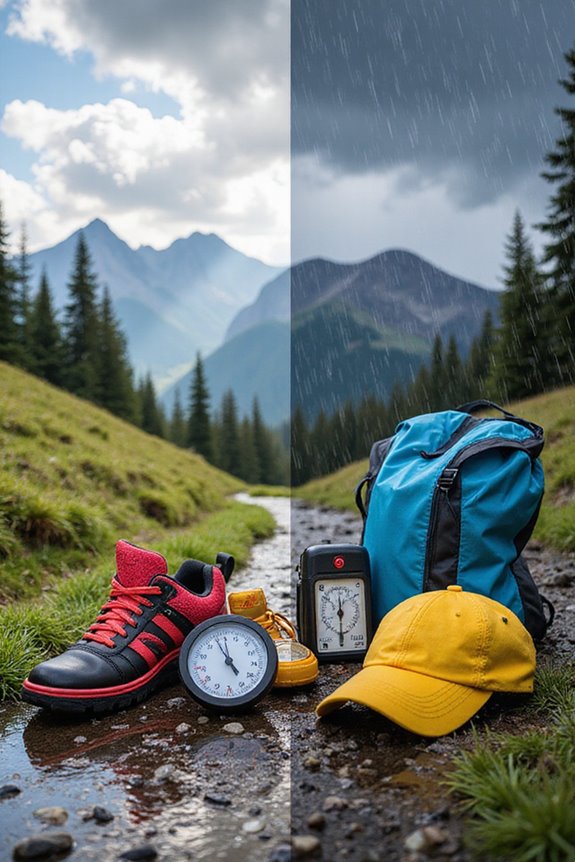
Rain and snow can reduce traction, visibility, grip, temperature, and the reliability of clothing or electronics. Heavy rain can raise water levels and increase flood risk, while wet roads and trails can be unsafe for cycling or running. Check the route, drainage, lightning and wind alerts, shelter options, and equipment limits before leaving, and change the activity when conditions are poor.
Regional Variations in Weather Impact
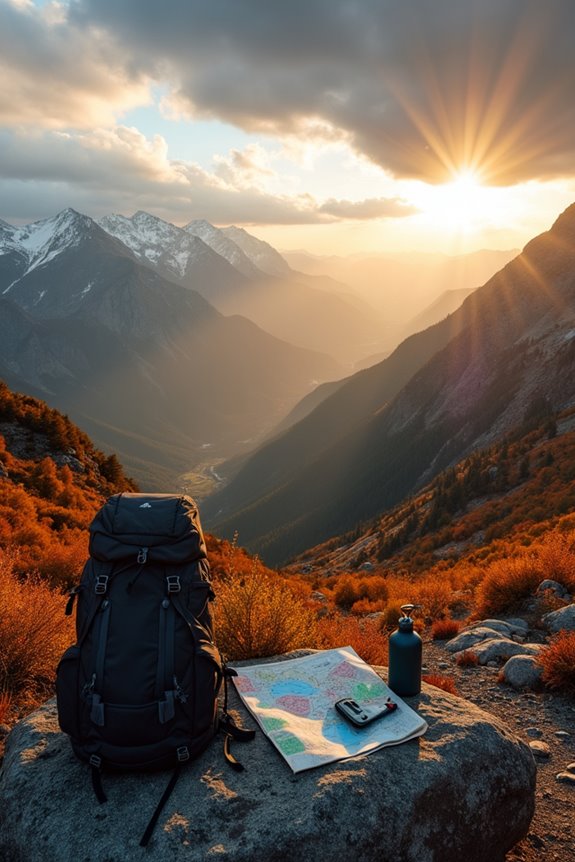
Weather risk is local. Coastal, desert, mountain, forest, urban, and high-latitude areas can experience different wind, heat, cold, storms, wildfire smoke, snow, pollen, and daylight conditions on the same day. Use a forecast close to the actual route and elevation, check local closures or advisories, and ask a local land manager or guide when conditions are unfamiliar.
Climate Change and Future Outdoor Recreation Trends
Changing climate patterns can affect heat exposure, snow reliability, wildfire smoke, flooding, storms, trail conditions, and seasonal access. For planning, rely on current local alerts and the land manager’s guidance rather than assuming a historic season will repeat. Communities and operators may adapt through shade, water access, route changes, fire restrictions, closures, and updated infrastructure.
Health Risks Associated With Weather Conditions
Weather-related risks include heat exhaustion or heat stroke, dehydration, cold stress, frostbite, lightning, poor air quality, slippery surfaces, flooding, and reduced visibility. Learn the warning signs relevant to the activity, carry appropriate supplies, and follow local emergency guidance. People with medical conditions, very young or older participants, and anyone not acclimatized may need extra planning or professional advice.
Different Activities and Their Sensitivity to Weather
Match the weather to the activity: water sports need attention to water temperature, currents, storms, and visibility; cycling and running need traction, heat, air quality, and traffic awareness; hiking needs route exposure, water, shelter, and daylight; camping needs a stable site and suitable shelter. Adjust intensity and location instead of treating a forecast as a simple yes-or-no decision.
Seasonal Changes in Outdoor Activity Preferences
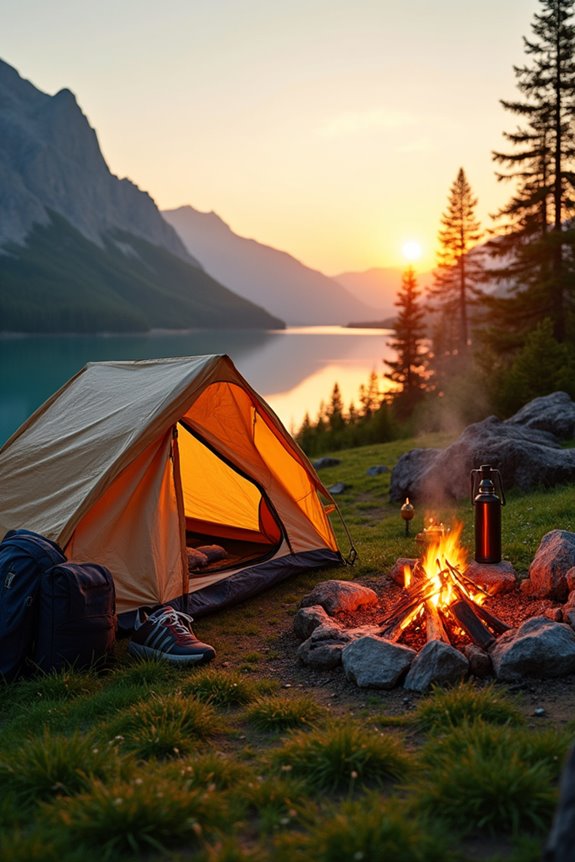
Seasonal conditions influence daylight, temperature, insects, pollen, snow, fire risk, water levels, crowds, and access. Choose activities that fit the season, verify opening and permit information, and prepare for transition weather. A tent with built-in lighting may help around camp, but it does not replace a headlamp, weather plan, or safe shelter setup.
Frequently Asked Questions
How Do Weather Patterns Influence Outdoor Event Planning?
Forecasts affect venue choice, timing, staffing, clothing, shelter, hydration, medical cover, transport, cancellation rules, and communication. Use a current forecast and a clear threshold for postponing or moving the event, and build an alternative plan for lightning, heat, wind, poor air quality, flooding, or cold.
What Role Does Humidity Play in Outdoor Activity Enjoyment?
Humidity can reduce sweat evaporation, making heat feel more intense and increasing the need to pace, rest, and manage fluids. It can also affect comfort, clothing, condensation, and equipment drying. Check heat and humidity together, choose shaded or cooler timing, and reduce effort when your body is not cooling effectively.
Are There Specific Weather Conditions That Boost Outdoor Tourism?
Comfortable, predictable weather can make some activities more appealing, while snow, surf, wind, or clear skies may support specialized recreation. Demand also depends on access, holidays, local events, costs, and safety. Treat tourism patterns as location-specific and check current conditions rather than assuming favorable weather.
How Can Individuals Prepare for Unexpected Weather During Outdoor Activities?
Check the forecast and warnings, pack layers and rain protection, carry water, navigation, communication, light, food, and basic first aid, and tell someone your route. Know where you can shelter or turn around, protect electronics, and leave early when clouds, wind, water, heat, cold, or visibility move beyond your plan.
What Are the Best Practices for Exercising Outdoors in Variable Weather?
Start conservatively, warm up, dress in adjustable layers, monitor conditions and symptoms, and adjust intensity or location as the weather changes. Carry suitable water and communication, avoid severe warnings, and stop for dizziness, weakness, confusion, breathing difficulty, chest pain, or cold-injury signs. A rest day or indoor session is a sensible plan when conditions are unsafe.