As an Amazon Associate, we earn from qualifying purchases. Some links on this site are affiliate links at no extra cost to you. Our recommendations are based on thorough research and editorial judgment.

How to Prevent Altitude Sickness: A Practical Guide

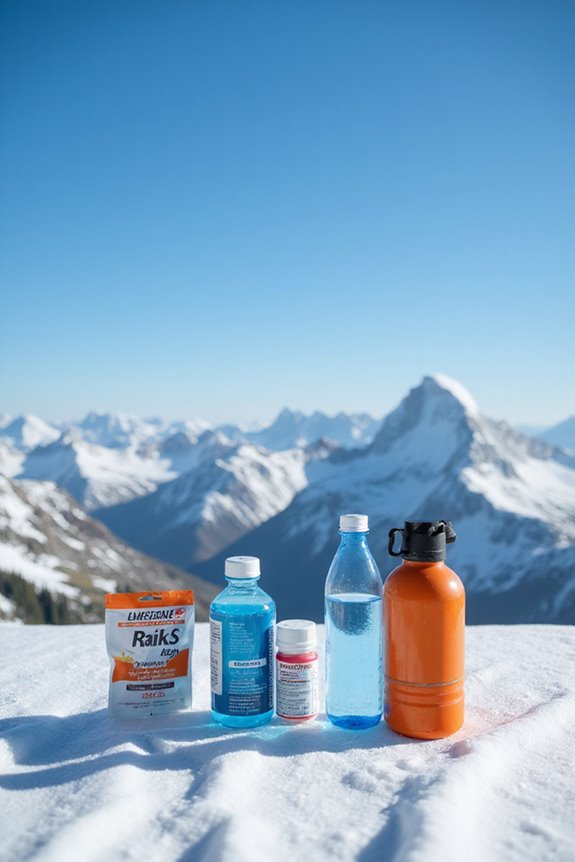
Altitude sickness, also called acute mountain sickness, can occur when the body has not had time to adjust to thinner air. Risk depends mainly on sleeping altitude, how quickly you ascend, and your personal history—not simply on fitness or determination. Reduce the risk with a gradual itinerary, honest symptom checks, and a plan to stop or descend. For medical planning, review the CDC high-altitude travel guidance and speak with a clinician when appropriate.
Key Takeaways
- Ascend gradually and allow time for your body to acclimatize before sleeping higher.
- Do not continue upward when altitude-illness symptoms are present.
- Eat normally, drink to thirst, and avoid treating forced hydration as prevention.
- Ask a clinician about medication if rapid ascent is unavoidable or your history suggests higher risk.
- Recognize severe symptoms and arrange prompt descent and emergency help.
You may be interested

Recommended Products

HIGH-ALTITUDE ADAPTATION: Acli-Mate Mountain Sport Drink Mix is designed to help your body acclimate to high altitudes. The blend of electrolytes, vitamins B6 and B12, essential minerals, and adaptogenic herbs like Rhodiola, Schisandra, and Ginkgo supports hydration and energy. These acclimate powder packets help maintain comfort during your adjustment to higher elevations, making them ideal for altitude sickness prevention during your outdoor adventures.

All Natural Rapid Hydration - A clean, daily electrolyte drink mix optimized to hydrate you rapidly. These rehydration powder packets are zero calorie and made with only the essentials helping you stay hydrated all day long
Gradual Ascent and Acclimatization Strategies
Plan the trip around sleeping altitude rather than the highest daytime point. Gradual ascent gives the body time to adjust; staged stops and rest days may be appropriate when the route rises quickly. Avoid moving to a higher sleeping altitude if you have a headache, nausea, unusual fatigue, dizziness, or other new symptoms. If symptoms worsen at the same altitude, descend and seek medical help. Previous experience can inform planning, but it does not guarantee protection on a different trip.
Recommended Products

【Total Blackout】 Experience complete darkness with our advanced sleep mask. Featuring an upgraded nose cutout and 3D contours, this eye mask for sleeping fits snugly, ensuring total blackout. Perfect for deep sleep, it doesn’t compress your eyes or face, making it the ultimate sleeping mask for restful nights.

✅ CUT YOUR WORKOUT TIME IN HALF! - Training Mask by SPARTHOS makes workouts more effective by simulating high altitude. It will force you to take full and deeper breaths, toughening your diaphragm and respiratory system.

SAVE YOUR TRAINING TIME UP TO 50% - By our high altitude mask to create a similar high altitude environment, The mask enforce you to breath deeply, so during same time, the workout efficiency is doubled.
Importance of Hydration and Nutrition
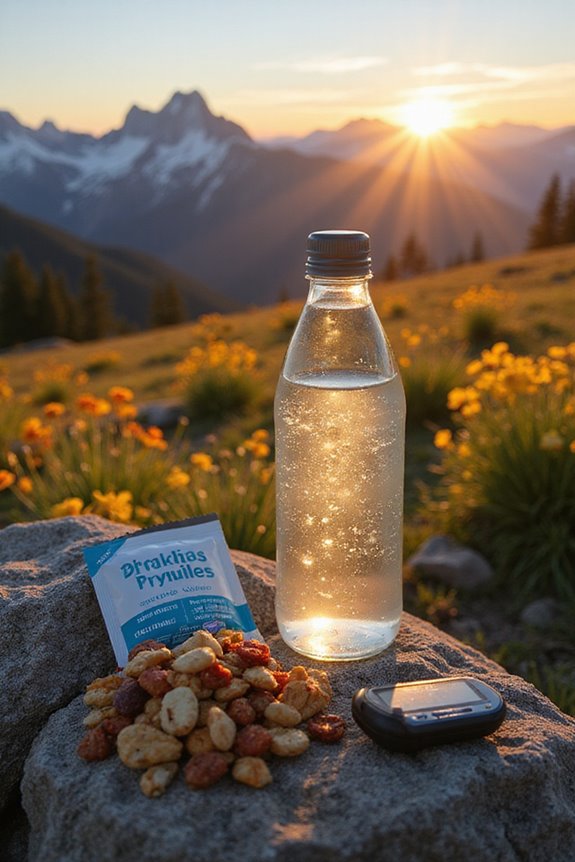
Drink regularly and eat enough to support the day’s activity, but do not force large volumes of water as a way to prevent altitude illness. Excessive fluid intake can be harmful, and thirst, urine changes, weather, exertion, and medical conditions all affect needs. Choose familiar foods, include carbohydrates if they sit well, and avoid relying on supplements or electrolyte products as treatment for altitude sickness. Persistent vomiting or inability to drink is a reason to stop and seek help.
Lifestyle Adjustments for High Altitude
As adventurers set their sights on high-altitude destinations, they quickly realize that preparation goes beyond just packing the right gear; it involves making thoughtful lifestyle adjustments to guarantee a smooth journey. Key lifestyle changes include pre-acclimatization, which means spending time at elevation before pushing higher. It’s also essential to ascend gradually—traveling no more than 1,000 feet per day helps the body adapt. Incorporating rest days is important for altitude fitness, especially after gaining significant elevation. Avoiding strenuous activities in those initial days can make a world of difference, as can sleeping at lower elevations. Finally, paying attention to how one’s body feels serves as a critical guide, ensuring a safe and enjoyable high-altitude experience without the unwelcome surprise of altitude sickness.
Recommended Products


Medications for Prevention and Management
Medications can be a game changer for those venturing into the heights where the air gets thin and altitude sickness lurks around every corner. Options like acetazolamide (Diamox) are incredibly popular, with dosage guidelines suggesting 125 mg twice daily, ideally starting a day before your ascent. For more immediate relief, dexamethasone can tackle acute mountain sickness with a dosage of 4 mg every six hours, but it’s best for short-term use. Ibuprofen, at 600 mg every eight hours, is a handy over-the-counter choice to ease headaches. And for those at risk of high altitude pulmonary edema, nifedipine is key, typically dosed at 30 mg twice daily. Choosing the right medication can make your high-altitude adventure enjoyable rather than a dizzying ordeal!
Recognizing Early Symptoms of Altitude Sickness
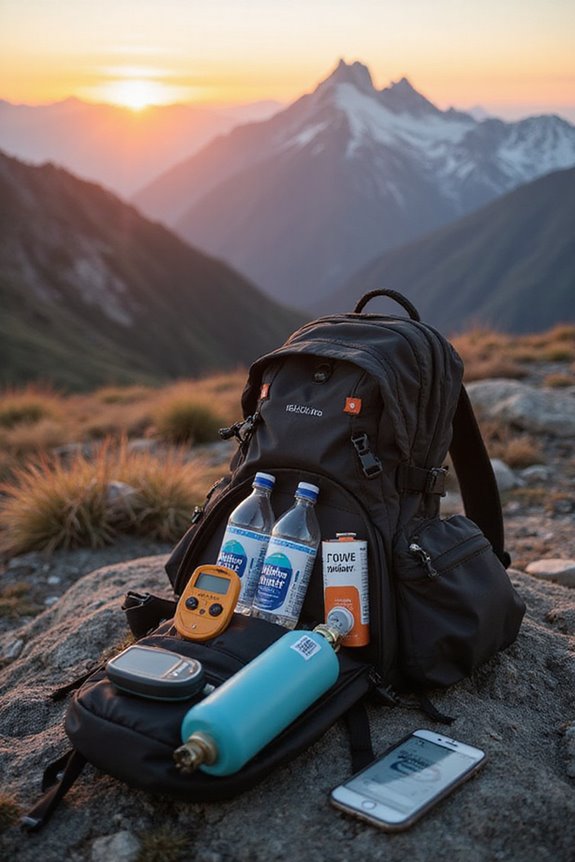
Altitude sickness can sneak up on even the most prepared adventurers, turning a dream trek into a dizzying nightmare. Recognizing early signs is vital for a safe journey. The first hint often comes as a throbbing headache that might keep you up at night. Nausea and a sudden loss of appetite can quickly follow, leaving you feeling uneasy. Fatigue, dizziness, and that pesky “pins and needles” sensation may also make their appearance. Don’t ignore sleep disturbances either; tossing and turning is a red flag. These symptoms typically develop within 6 to 12 hours of ascent. If you notice these signs, it’s important to listen to your body and consider descending or acclimatizing to avoid worsening conditions.
Environmental and Behavioral Strategies
Reduce avoidable stressors while acclimatizing: pace yourself, protect against cold and strong sun, eat and drink normally, and keep a reliable way to communicate. Avoid assuming that fitness prevents altitude illness; it does not. Travel with someone who knows the plan, keep emergency contacts accessible, and check local weather and evacuation options before leaving. A conservative itinerary is easier to adjust than a fixed summit schedule.
Planning Your Itinerary for Acclimatization
Build the itinerary around gradual sleeping-altitude gains, planned pauses, and clear decision points. Record where the group will sleep, where a lower option exists, how to communicate, and what transport or evacuation support is available. Make the turn-around rule explicit before the hike: symptoms, worsening weather, or a deteriorating member take priority over the schedule. Pair this plan with the travel emergency checklist and confirm current local advice.
Recommended Products

Altitude Sickness Medicine: Conquer the mountains without the misery! Whether you’re hiking Machu Picchu, snowboarding with family, or climbing new heights, this helps your body adjust fast—relieving headaches, nausea, and shortness of breath naturally

ALTITUDE ASSIST 1662mg: Altitude Assist is a proprietary blend that supports altitude acclimatization.*
Understanding Individual Susceptibility
People respond differently to altitude, and no simple fitness test can predict who will become ill. A previous reaction at a similar altitude and ascent rate is useful context, but it is not a guarantee. Children can also be affected, and people with cardiopulmonary disease, pregnancy, sleep-related breathing problems, or other conditions may need individualized advice. Share your itinerary and medical history with a qualified clinician when risk is uncertain.
Pre-acclimatization Techniques
Previous exposure to altitude may help some travelers, but it should not be treated as a guarantee or substitute for a sensible ascent plan. Commercial altitude tents and hypoxic training can carry practical and medical considerations, and exercise in simulated altitude is not a replacement for evaluation or emergency preparation. If the trip involves rapid ascent, ask a travel-medicine clinician whether a prevention plan is appropriate.
Emergency Response to Severe Symptoms
Confusion, loss of coordination, severe breathlessness, breathlessness at rest, blue or gray lips, or a worsening cough are emergency warning signs. Stop the ascent, keep the person accompanied, arrange urgent descent, and contact local emergency services or a medical team. Supplemental oxygen or a portable hyperbaric device may be used by trained teams when available, but neither should delay evacuation. Do not leave a severely ill person alone or let them descend without support.
Frequently Asked Questions
How can altitude sickness affect athletic performance?
Headache, nausea, fatigue, dizziness, and poor sleep can reduce comfort, coordination, and exercise capacity. Fitness may help you manage a route, but it does not remove the risk of altitude illness. Reduce effort and stop ascending when symptoms appear.
What are the long-term effects of repeated altitude exposure?
Short trips and acclimatization are different from chronic exposure. Persistent or unusual symptoms after a trip deserve medical assessment rather than being attributed automatically to altitude. People planning repeated or prolonged high-altitude stays should seek individualized advice.
Can altitude sickness be hereditary?
Susceptibility may have genetic influences, but family history cannot reliably predict an individual’s outcome. Plan based on the itinerary, ascent rate, prior experience, and medical advice instead of assuming you are protected or vulnerable solely because of family background.
Are some people more likely to need medical advice before going higher?
People with heart or lung disease, pregnancy, sleep-related breathing problems, significant medical conditions, or complex medication needs should discuss the itinerary with a clinician. Children and older adults may also need route-specific planning, especially when ascent is rapid.
Does fitness prevent altitude sickness?
No. Fitness can support the physical demands of hiking, but it does not reliably prevent altitude illness. Gradual acclimatization, symptom monitoring, and a willingness to stop or descend are more important risk-management decisions.