As an Amazon Associate, we earn from qualifying purchases. Some links on this site are affiliate links at no extra cost to you. Our recommendations are based on thorough research and editorial judgment.

How to Start a Local Hiking Club: A Practical Guide

Starting a local hiking club begins with a clear promise: who is the group for, what kind of outings will it offer, and how will it keep people informed and safe? Define a realistic first event, invite a small mix of hikers, and build a repeatable process for routes, weather decisions, communication, and feedback. This guide covers the practical decisions that turn an informal idea into an inclusive local hiking community.
Key Takeaways
- Define the club’s audience, purpose, pace, and values before recruiting.
- Use local channels and clear event information to attract suitable members.
- Choose routes by difficulty, access, weather, group size, and emergency options.
- Assign dependable roles for route planning, communication, first aid, and group support.
- Use feedback to improve events while keeping participation welcoming and sustainable.
Define Your Club’s Purpose and Goals
You may be interested



Write a short purpose statement that answers three questions: who should join, what experience will the club provide, and what standards will guide the group? Decide whether the club is aimed at beginners, experienced hikers, families, or a mixed audience. Set practical goals such as publishing a regular outing calendar, offering route briefings, or supporting local trail stewardship. State expectations for pace, communication, conduct, accessibility, and respect for land rules so prospective members can choose the right fit.
Organize and Promote the Club
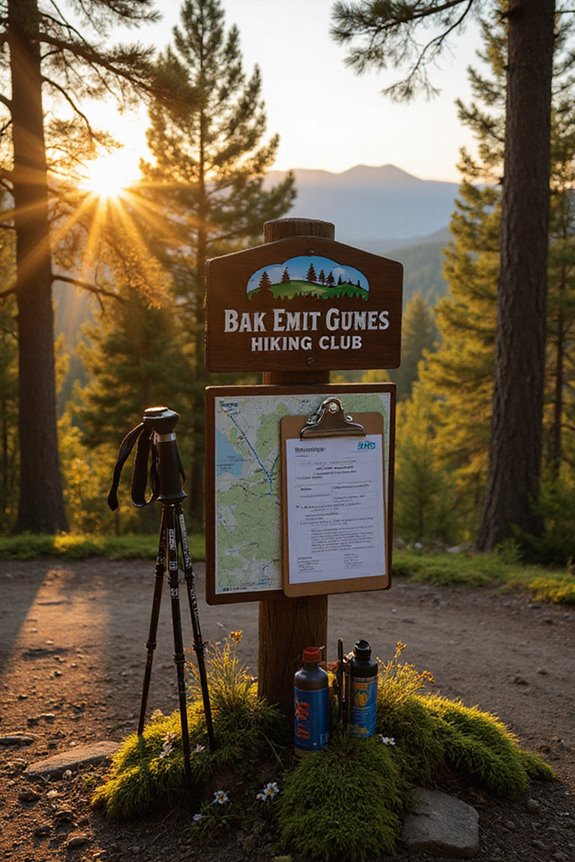
Promote the club where local hikers already look for activities: community groups, outdoor shops, libraries, recreation centers, and social platforms. Every announcement should state the meeting point, distance or difficulty, expected pace, start time, required equipment, weather policy, and how to RSVP. Build trust with consistent information and realistic descriptions. Partnerships with local businesses, trail organizations, or community groups can broaden reach, but confirm any discounts, permissions, or event requirements before publishing them.
Plan Engaging Hiking Events
How can a hiking club keep its members excited and engaged? By planning a mix of thrilling hiking events that cater to everyone! Thoughtful trail selection is key—choosing scenic routes with varying difficulties guarantees everyone can join the adventure. Regular scheduling, like monthly hikes, keeps spirits high, while seasonal considerations can optimize the experience. Event logistics, including safety measures like having a designated leader and first aid kits, set the stage for fun. Group dynamics thrive when hikes encourage social interaction, perhaps with group meals afterward. Finally, embracing environmental responsibility, such as following Leave No Trace principles, fosters respect for nature. By combining these elements, a hiking club can create memorable experiences that keep members coming back for more.
Recommended Products

Lightweight Emergency Kit: This ultralight medical kit fits easily in your pack's side pocket for convenient access; includes supplies to clean and bandage wounds, aid muscle aches, dress blisters, and treat other common outdoor discomforts
Establish Leadership and Group Management
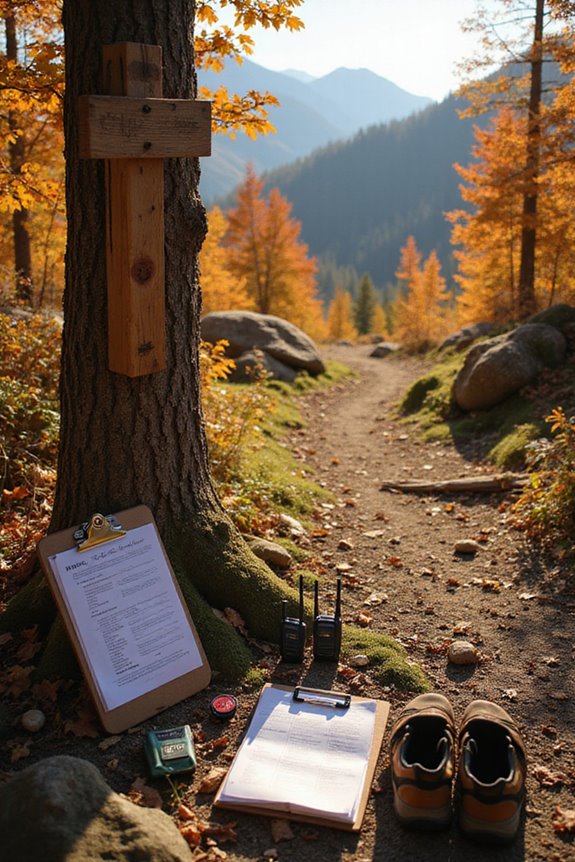
Establishing effective leadership and group management in a hiking club is absolutely essential for creating a vibrant and enjoyable community. Clear leadership roles, like President, Treasurer, and Hike Coordinator, help keep things organized. Each role should have a written job description, ensuring everyone knows what’s expected. Authority delegation is key; hike leaders can decide on routes, timings, and even weather adjustments, empowering them to act swiftly on the trail. This boosts group confidence and safety, with a “sweep” leader ensuring no one gets left behind. Regular communication among leaders creates a collaborative spirit, where advice flows freely. So, whether it’s tackling a challenging climb or planning a potluck, strong leadership paves the way for shared adventures and camaraderie in nature.
Enhance Member Engagement and Retention
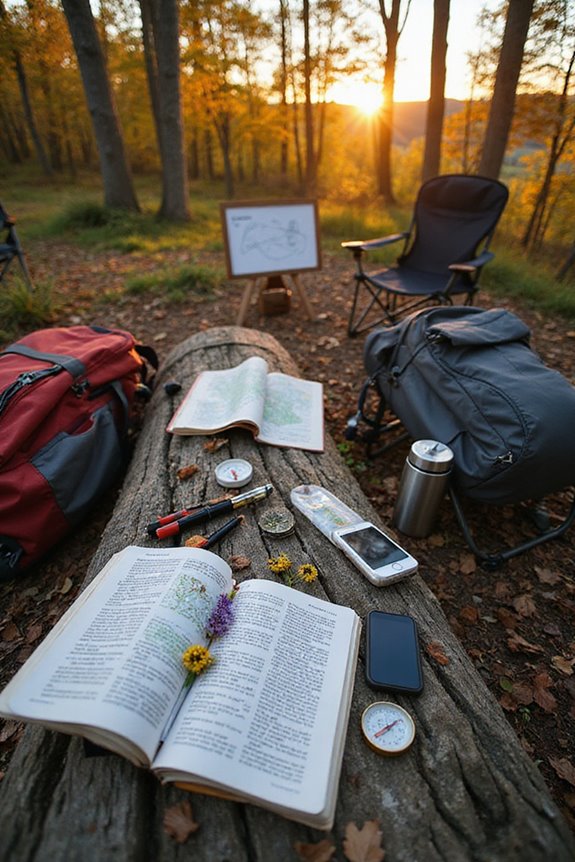
What makes a hiking club truly unforgettable? It’s the vibrant member engagement that transforms casual hikers into a close-knit community. By implementing retention strategies like loyalty rewards and personalized experiences, clubs can cultivate lasting social connections. Organizing social events and creating private communication channels fosters community building, making each member feel welcome. Feedback systems are essential; encouraging members to share their thoughts can lead to improvements that resonate with everyone. Incentive programs, such as attendance rewards or early renewal discounts, keep enthusiasm high. Plus, exclusive perks for loyal members—think sneak peeks at new trails or special merchandise discounts—enhance the experience. Ultimately, a club that prioritizes engagement and connection will thrive, ensuring all members feel valued and part of something special.
Utilize Local Resources and Partnerships
Local trail associations, parks departments, land managers, outdoor educators, and community centers can provide useful route information, meeting space, stewardship opportunities, or permit guidance. Treat every external detail as something to verify: access rules, parking, dogs, seasonal closures, group-size limits, and volunteer requirements can change. A club becomes more credible when it shares current sources and supports the places where it hikes.
Create a Welcoming Community Atmosphere
Set a welcoming tone before the first outing. Explain how the group handles pace, breaks, communication, photos, dogs, and disagreements. Ask members to share relevant access needs privately if they prefer, and choose routes with realistic options for different abilities. Keep the group together when the route and conditions require it, check in without singling people out, and respond to concerns respectfully. Clear expectations make inclusion part of the club’s normal operation.
Offer Varied Hiking Experiences
Plan a balanced calendar rather than repeating one type of hike. Mix easy local walks, longer outings, nature-focused routes, skills sessions, and occasional stewardship activities when they fit the club’s purpose. Describe terrain, exposure, navigation, facilities, and seasonal considerations honestly so members can choose well. Variety should improve access and interest, not become a reason to push people beyond their experience or equipment.
Communicate Effectively With Members
Choose one primary communication channel and use it consistently. Before each outing, send the route details, meeting instructions, weather decision time, equipment notes, emergency contact process, and RSVP deadline. Ask members to communicate relevant limits or concerns early. After the hike, collect brief feedback and record useful lessons for the next event. For navigation preparation, point members to this trail navigation guide rather than assuming everyone has the same experience.
Measure Success and Adapt Strategies
Measure what helps the club serve its members: attendance patterns, repeat participation, cancellations, route feedback, volunteer workload, and whether new members feel informed before joining. Review these signals after a few outings and adjust the calendar, communication, or route difficulty. Avoid vanity metrics and unsupported success claims; the useful question is whether the club is safe, welcoming, manageable for organizers, and worth returning to.
Frequently Asked Questions
What insurance should a hiking club consider?
Insurance needs depend on the club’s structure, activities, location, and whether it charges fees. Ask an insurance professional about appropriate liability coverage, participant waivers, property, and volunteer responsibilities. Do not assume a waiver replaces insurance or local legal advice.
How should leaders handle an injury during a hike?
Stop, assess the situation, keep the group safe, and follow the club’s emergency plan. Use first-aid training within your limits, contact local emergency services when needed, and provide the location or access details. Record the incident and review the response afterward. Avoid promising a specific treatment outcome.
Can we include pets on club hikes?
Only when the route and land rules allow it. Publish leash, waste, wildlife, heat, water, and behavior expectations in advance, and make pet participation optional. Check current rules with the relevant park or land manager before announcing the hike.
What if someone does not follow the group rules?
Address the issue calmly and privately when possible. Explain the specific safety or conduct concern, document repeated problems, and apply the club’s stated process consistently. Leaders may ask someone to leave an outing when behavior creates a safety risk.
How can we make the club more inclusive?
Describe routes honestly, publish clear expectations, offer different outing formats, and invite feedback from people who are often overlooked. Consider accessibility, transportation, language, cost, pace, and equipment barriers. Make reasonable adjustments where the route and safety conditions allow, and keep participation respectful rather than performative.